
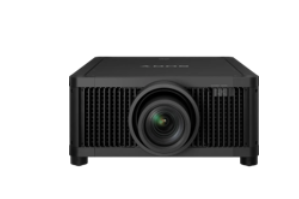
Creating a cinematic experience at home requires more than selecting a projector with impressive specifications. Room dimensions, lighting conditions, seating distance, and installation costs all influence how effectively the equipment performs. Modern home theater projectors offer advanced imaging technologies, but their benefits become meaningful only when matched to the intended environment. Before comparing models, we should establish realistic viewing expectations and identify the features that matter most. A carefully planned purchase can provide satisfying picture quality without unnecessary expenditure on capabilities the room cannot accommodate.
Measure Your Available Viewing Space
Room measurements establish the foundation for choosing suitable projection equipment. We should record the distance between the proposed projector position and screen, along with the available wall dimensions and seating arrangement. These measurements help determine practical screen sizes and installation limitations. Ceiling height, furniture placement, and walking areas also deserve consideration because they affect mounting options. A larger room does not automatically require the biggest possible screen. Comfortable viewing depends on maintaining appropriate proportions between image dimensions, seating distance, and the surrounding environment throughout extended movie sessions.
Calculate Projector Throw Distance Carefully
Throw distance determines how far a projector must sit from the screen to create an image of a particular width. Every model supports a specified throw ratio, making this measurement essential before purchasing equipment. For example, a projector with a 1.5:1 throw ratio requires approximately fifteen feet of projection distance for a ten-foot-wide image. Zoom capabilities may provide installation flexibility, but their adjustment ranges vary between models. We should verify manufacturer specifications and account for lens positioning, ceiling mounts, and ventilation clearance before finalizing the layout.
Evaluate Brightness Against Ambient Lighting
Lighting conditions significantly influence perceived picture quality, especially when projecting images onto large surfaces. Dedicated theater rooms with controlled lighting can prioritize contrast and black-level performance, while multipurpose spaces may require greater brightness. Ambient light entering through windows can reduce apparent contrast even when the projector produces substantial light output. We should assess whether blackout shades, dimmable fixtures, or suitable screen materials can improve viewing conditions. Selecting equipment based solely on maximum advertised lumens may overlook important considerations involving color accuracy, usable brightness, and overall image quality.
Understand Resolution And HDR Performance
Resolution determines the number of pixels used to construct an image, while high dynamic range influences how compatible content displays brightness differences and color information. A well-designed 4K home theater projector can reveal fine detail across large screens, particularly with high-quality source material. However, native resolution, image processing, contrast performance, and HDR tone mapping vary considerably between products. We should compare actual viewing results rather than relying exclusively on marketing specifications. Proper calibration also helps maintain natural colors and preserve visible detail in challenging scenes.
Choose Screen Materials With Purpose
The projection screen directly affects the final image, making it an important part of the equipment budget. Matte white surfaces can perform effectively in controlled lighting environments, while appropriately selected ambient-light-rejecting screens may help in brighter rooms. Screen gain, viewing angle, surface texture, and compatibility with projector placement should guide the selection. Acoustically transparent materials offer additional flexibility when speakers must sit behind the image. We should consider screen characteristics alongside projector specifications because even excellent imaging equipment can deliver disappointing results when paired with unsuitable materials.
Plan Equipment Costs Beyond Purchase
A realistic budget should include installation expenses rather than focusing entirely on projector pricing. Ceiling mounts, screen frames, cables, electrical connections, ventilation, and professional calibration may contribute significantly to the completed system. Laser light sources can provide extended operating life compared with traditional replaceable lamps, although maintenance requirements differ between models. We should also consider equipment warranties, accessibility for servicing, and possible future upgrades. Allocating resources across the entire installation generally creates better value than purchasing an expensive projector while compromising essential supporting components.
Conclusion
Choosing projection equipment successfully requires balancing technical capabilities with the physical characteristics of the home. Accurate measurements, controlled lighting, appropriate screen materials, and realistic installation budgets contribute more to the final experience than any single specification. Through its premium home cinema equipment selection and professional design services, epicsystems.tech supports homeowners planning customized entertainment environments. Before committing to a particular model, reviewing room measurements with an experienced installation specialist can help identify suitable options and establish a clear path toward dependable, immersive viewing for years to come.
Frequently Asked Questions
Q1. How do we determine an appropriate projector screen size?
Consider seating distance, available wall dimensions and viewing preferences, then check the projector’s supported image size and throw range.
Q2. Does a 4K projector require a completely dark room?
No, but darker conditions generally improve perceived contrast. Ambient light control and appropriate screen material remain important.
Q3. What is lens shift on a projector?
Lens shift repositions the projected image optically without moving the projector. Its available range differs between models.
Q4. Is a laser projector maintenance-free?
No. Laser light sources can reduce lamp-replacement needs, but ventilation, filters and other maintenance may still apply.
Q5. Should we budget for professional installation?
For ceiling mounts, long cable runs or complex screens, professional setup can help with alignment, safety and calibration.


More Stories